Wednesday, January 5, 2011

Why Should Seniors Choose A Safe Step Stool

If you are considering buying a safe step stool for your senior there are several special needs that MUST be addressed. Most seniors have less than perfect vision, right? Some are overweight and/or might not have the strength to get up on the step stool if it is too high for them to step up to, especially if they have recently had surgery.

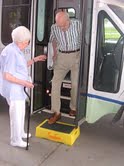
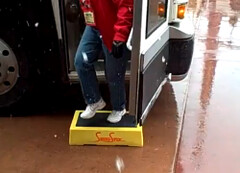
Directors of independent retirement communities and assisted living communities are aware that the special needs of seniors must be addressed when using a step stool to help their residents enter and disembark a bus. The directors don’t like step stools that have legs because when entering a bus the senior can mistakenly put their foot under the step stool, loose their balance and fall.
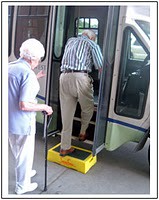


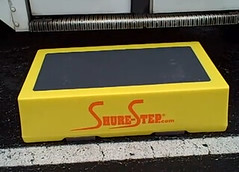
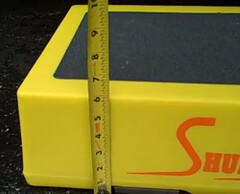
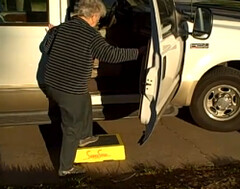
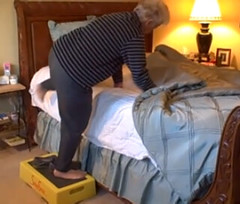
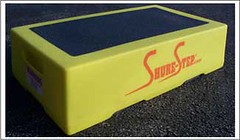
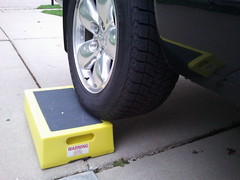
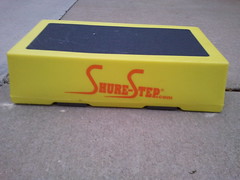
The solution is a step stool that has a perimeter wall, like a box and the color of the step stool is bright enough for the senior to see. This allows the visually impaired senior to slide their foot to the step stool, and when they feel their toe touch the side of the step, raise their foot up and safely set it on top of the step stool. The height of the step stool is also very important! Physically challenged seniors cannot lift their foot more than about 6-7 inches. Make sure that the step stool you buy is within this range for ease of use to the senior.

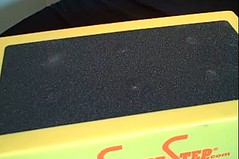
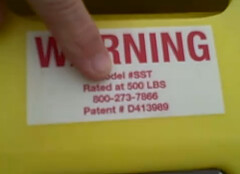
The average weight of Americans is getting heavier; this is no different with seniors, so be sure to check for a minimum load rating on the step stool of 500 pounds. This will ensure that your senior is safe when boarding a bus or getting into bed or whatever the need is for their step stool. One last feature that you should be aware of is the top surface of the step stool. Is it large enough for a senior to stand on safely and does it have a non-slip surface designed to prevent your senior from slipping or sliding in wet weather?


There are a lot of step stools in the market today claiming to be the best on the market. You can find different types of step stools from folding step stools and you can even choose from plastic, wooden or metal step stools. If you have a tight budget, you might be tempted to choose one of the cheaper step stools. Some of these step stools claim to have the best features and promise to work the best for you. But, how do you know which one to pick for a senior or loved elder?

Simply follow the guidelines in this article and you’ll be sure to have the best step stool for your seniors. One question you should always ask yourself when buying a step stool for a senior is “If I were physically weak with poor vision, would I feel safe using this step stool for this purpose?”. Before you ever let a senior use a step stool, stand on it your self and test it. You’ll be glad you did!

David DuPont's Shurestep step stool has been trusted and respected by different award giving bodies and institution. It has been invented to help solve problems with safety as its main concern. You can check for yourself all the products on his site www.shurestep.com. Enjoy your visit!


CLICK HERE to order Shure-Steps


Wednesday, December 1, 2010

How To Buy A Safe Folding Step Stool

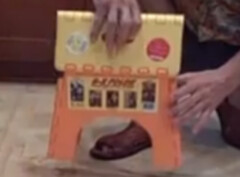
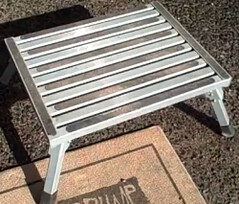
Of all the step stools you may have seen, folding step stools could be the coolest one simply because it is very handy to have at home. It only requires a tiny space to store them. But if you think about it, easy storage is the ONLY good feature of a folding step stool. Why? This is because folding steps are not very stable or sturdy when someone stands on them, especially when carrying objects that add more total weight. These step stools are a danger to all who use them to lift heavy loads. So, the folding step stool is not as useful as it may seem at first. There are many different models of folding step stools that are sold at department store like Target and hardware stores like Lowes and Home Depot.


The folding step stool is usually made inexpensively with price in mind and cannot hold very much weight. That's why it's use is limited to a few light duty chores around the house. So, if you pick one these step stools, please do yourself a favor. LOOK for a load rating. Most of the folding step stools are only rated for about 300 pounds or less. Obviously, these will not hold a heavy person carrying a load on his shoulder or trying to lean over the side of the folding step stool. This plus the fact that the folding step stool has moving parts that will wear out over time making the folding step unstable and lowering the load rating over time. For your awareness and safety, you should consider a couple of things you should for before buying a step stool.


LOAD RATING: You should look for a minimum of 500 pounds! This is to save you from the step stool collapsing or tipping over when you're on it. You can be assured with this load rating that a heavy person, even with loads on their shoulders, could complete their task safely without any worries.

DESIGN: Check if the folding step stool has large base, to prevent tipping, and that each step has a large enough standing area for the job it is intended for. Make sure your 2 feet can move freely and easily on top while you are leaning over to put or get something from the shelves. This is the ONLY way to ensure your safety when using a step stool.

Don't just take it for granted that the folding step stool you buy will be safe. You may be in a hurry or you may have a tight budget. But why would you sacrifice your family's welfare or your employee’s safety for a cheap folding step stool?


CLICK HERE to order Shure-Steps


Friday, October 29, 2010

How Can Senior Citizens Board and Disembark Buses, Trains and Planes Safely?

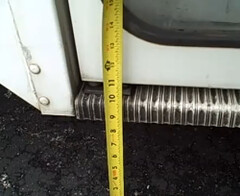
Buses, trains and planes were not designed with the physically challenged in mind when boarding them. The first step up, to get inside them, is about a foot off the ground. This is much too high for seniors to navigate, given the limited strength in their aging bodies. In order to make the transition from the ground to the first step on the vehicle safe, transportation companies are learning to provide a safe step stool for their physically challenged and aging passengers.

What should transportation companies look for when offering a safe step stool for their passengers? Traveling seniors may have more than one physical disability. Their eyesight might not be as good as it used to be. And their balance may be a little bit off as well. They tend to be a bit hard of hearing but you might think it’s just “selective hearing”. Oh, and don’t forget that they will speak their mind and give you an attitude you only thought a teenager would possess, given the chance. If you take all of this into consideration when helping seniors with their travel plans your life and theirs get much easier.


The biggest problem traveling seniors encounter is having enough strength and balance to step up from the ground to the first step on a bus, plane or train. The second biggest problem is their vision. So the step stool that a senior/active adult uses to get to that first step should do a couple of things:

First, it should be easy to see and navigate the top of the step stool and it should have a large surface to stand on.

Second, it should split the distance from the ground to the first step on the bus, plane or train.


Another feature a safe step stool for seniors should have is, No legs!! Legs allow the visually impaired senior to accidentally place their foot under the step stool when they think that they have their foot on top of the step, then when they try to take the next step up, they fall.

Oh, and make certain that the step stool has a minimum load rating of 500 pounds. This will ensure that they are using a sturdy, heavy duty step stool that will last for many travels to come.

David C. DuPont had invented the safest Shurestep step stool not for his own gratification but specifically to help people prevent unwanted accident like he had before while using unsafe crate to stand on. That incident pushed David to create a more stable, sturdy and safest step stool anyone could use. You can check for yourself the above mentioned senior step stool on his site www.shurestep.com.


CLICK HERE to order Shure-Steps


Thursday, October 21, 2010

A Really Safe and Sturdy Step Stool

What makes a step stool safe or not safe? Why are some step stools more dangerous than others? Let’s take a look at the construction of a step stool first.

What is the step made of; plastic, metal, wood...a combination of plastic and metal? Then look at the design of the step stool; does the step have legs, does the step have a load rating, does it fold, does it have rubber pads to keep it from sliding? All of this plays a part of telling if the step stool is safe or not.


Let’s start with the material the step stool is constructed from. There are plastic step stools made very cheaply and are intended for use by little children. You can usually tell by how thick the plastic is on the step. Thin plastic (1/16 – 1/8 inch) step stools are not designed to hold very much weight, so they should only be used by young kids trying to reach a water fountain or wash their hands/brush their teeth. However, if you find a plastic step stool that has thick plastic, maybe a double wall construction, you may find that it is more of a heavy duty step stool, especially if the step has a load rating of 500 pounds. Just because a step stool is made from plastic doesn’t make it a cheap step. Survey the step, see if it slides on the floor, and look at its construction design.


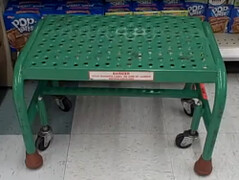
Metal step stools tend to be from 2 different schools of design, either heavy duty (heavy weight), or folding (so they store easily). There can be spring loaded rollers on the bottom of the step stool or the manufacturer may make the step platforms from plastic to keep the step from being too heavy.


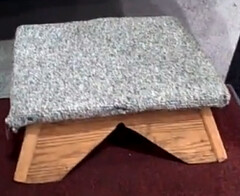
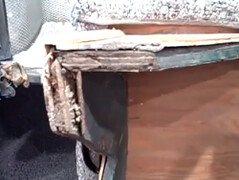
Wooden steps are commercially made for kids and can be painted or designed with children’s cartoon characters on them. The wooden step stools tend to be very sturdy, but usually lack non-slip pads on the bottom to keep them from sliding. Wooden steps are easy to make in your wood shop or by maintenance personnel at retirement homes, however, these wooden steps do not weather well. So over time the homemade wooden step stool will deteriorate and become unsafe for adults or even kids to use.


David C. DuPont had invented the safest Shurestep step stool not for his own gratification but specifically to help people prevent unwanted accident like he had before while using unsafe crate to stand on. That incident pushed David to create a more stable, sturdy and safest step stool anyone could use. Together with this excellent invention, David offers a unique and great guarantee that no one could just ignore. Try to visit his site for more info about the world's known safest step stool.


CLICK HERE to order Shure-Steps


Wednesday, October 13, 2010

Alzheimer’s Sufferers Best Step Stool

When our beloved seniors who have Alzheimer's or are stricken with being senile are outdoors trying to get on a bus or at home getting into their beds, they need a step stool that will not harm them in any way while using it. These seniors have very special needs we should consider. They need special attention and with extra care dealing with their needs. So what do you look for in a step stool with Alzheimer's sufferers in mind? Most important thing is to make sure that the step stool has a large standing area on the top of the step stool so they have enough space for both feet moving around. Next, the top surface should be rough enough to prevent their feet sliding on it. Then the color of the step stool should be distinct so they can see it easily, since some of our elderly have poor vision. The step stool should also be rated for 500 pounds. Load rating is very important if your loved one is a bit on the heavy side.


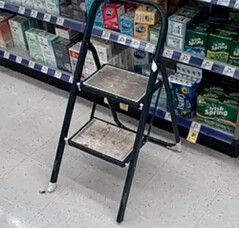
A step stool with rungs like a ladder is not a good option for your Alzheimer's sufferer. These types of steps are dangerous because the person using this step needs to balance themselves on a 2 or 3 inch wide rung. You probably don't want your elders doing this.

There are bus step stools that are made of metal that may at first appear to be stable enough for your senior. This kind of step stool will usually have legs which could make it wobble and unstable on uneven surfaces. The legs may also cause another problem for your elderly; if their foot gets under the step they may not realize it. There are testimonies from bus drivers at Alzheimer Assisted Living facilities of horror stories about the unwanted accidents of visually impaired seniors who have gotten their foot under the metal bus step stool instead of on top. Then when they try to lift their foot up, they fall.


If you want nothing but safety for your beloved senior with Alzheimer, you must take the extra time to carefully consider who will use the step stool, where it will be used, be it outside in the weather, in icy conditions or at home in getting on to bed. Make sure to dissect all the features a safe step stool may bring to your loved one. Choose the step stool that possesses all the safe features as mentioned above. I hope these tips will help you decide which step stool to pick when looking for a safe step stool for your Alzheimer sufferer.

David C. DuPont had been dedicating his life making the safest step stools for everyone, be it a child, senior citizens, bariatric patients, and many more. His products have been awarded many times for quality and excellence. You can check all of his products and choose what suits you here at www.Shure-Step.com


CLICK HERE to order Shure-Steps


Tuesday, October 5, 2010

How To Test Non-Slip Pads On The Bottom Of Step Stools

When buying a step stool one of the first items to check, after the load rating, is the non-slip pads on the bottom of the step. You only need to use a simple test to make sure the step stool is safe and won’t slide when you use it at home or work. The non-slip pads are usually the last thing anyone thinks about when purchasing a step stool. Most people using a step stool find out about the non-slip pads the wrong way, when they use the step stool on a slick, wet floor, and then it’s too late.

Here’s my simple test:

On a slick floor: Like linoleum or smooth concrete floors, in stores like Target or Home Depot, set your step stool on the floor. Apply weight to the top of the step while trying to push the step slightly sideways.

Does it slide easily? Or does it “stick” to the floor? Or move slowly as you push?

This slide test will tell you if your step stool has good non-slip pads and will stay put with you standing on it or if it will slide with you on it.

The next test for the non-slip pads that you want to do is to try to push your thumbnail into the rubber pad on the bottom of the step. Does your thumbnail make an indentation in the rubber? Is the non-slip pads hard plastic? Do the non-slip pads feel like the rubber on the bottom of your tennis shoe? Are the non-slip pads large enough for the intended use of the step stool?

If the non-slip pads are hard plastic, they can’t keep the step stool from sliding, that’s why you want the pads to have a rubbery feel like the bottom of a tennis shoe.

The last thing you’ll want to check is, How easy would it be to order and replace the pads? Some step stools do not have replaceable pads, so make sure to check this if you plan to use the step stool for a long time.

David C. DuPont had been dedicating his life making the safest step stools for every one, be it a child, seniors, bariatric, and many more. His products had been acknowledge by different bodies and awarded many times for quality and excellence. You can check these products and choose what suits yourself. You can also see here the above mentioned replaceable rubber pads. Check it out now!


CLICK HERE to order Shure-Steps

Monday, September 13, 2010

Safe Warehouse Step Stools

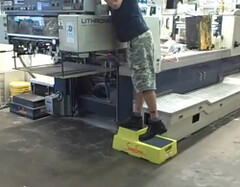
Using safe step stools in a warehouse to reach the higher shelves might just save your company from be sued by an employee. Employees sometimes take the easiest and fastest course of action to reach products on higher shelves when filling an order or getting stock for the office. They will sometimes stand on the lower shelves to lift themselves up to the higher shelves. You can see evidence of this behavior if you look at the lower shelves. If you see a shelf that is bent or bowed in the center, and it’s the first or second shelf from the ground, chances are someone has stood on that shelf to cause it to bend. That also means that an accident was only moments away, followed by the inevitable lawsuit that accompanies accidents. Your employee was only trying to do their job and a suitable safe step stool was no where to be found. You get to pay higher insurance premiums and your employee while they recover. Not to mention, now you have to train a new employee to do the injured employees job! OUCH!!

Which type of step should you use in a warehouse? A ladder? A rolling step? A folding
step stool?

A 2 or 3 step ladder will work OK if your employees don’t weigh too much or try to reach across too far. The ladder will fold for storage which is a plus. The biggest problem with a ladder is the width of the rungs that your employee stands on is only about 4 inches wide. Not really wide enough to have sure footing. Be sure to check the load rating of the ladder and add your employee’s weight plus the heaviest item they may have to pick up. If that total weight is close to the load rating you probably want to find a more suitable step.

A rolling step stool will speed up your employees work if they’re stocking shelves like in a grocery store where a lot of stocking is being done on a long high shelf. The draw back to a rolling step stool is weight. If your employee doesn’t weigh enough to compress the spring loaded wheels, the rolling step stool may slide out from under them.

A folding step stool will also store easily when not in use. But these step stools rarely have a load rating that will support a person reaching and carrying a case of paper or something similar. The other problem with folding step stools is the legs, in particular the rubber non-slip pads on the bottom of the legs. These pads wear out and then the metal legs will slide on the smooth concrete floor.

So to insure safety in your warehouse you should consider the load rating of your step stool, look for a step stool with no legs if possible and avoid rolling and/or folding step stools.

David C. DuPont is an inventor of the ShureStep's step stool based from his own experience of unwanted fall due to faulty crate he was standing. That's why he had worked on his “award winning” and “quality guaranteed” safe step stool not just for people like him, but for all of us and for all ages as well. From your active little kids to your beloved seniors. You can choose from his different types of step stool on his site www.Shure-Step.com.


CLICK HERE to order Shure-Steps

Do you find this blog informative?